Research outcomes from the SA-SE lab are shared with stakeholders through workshops, field days, training sessions, and conferences. These Extension activities create a feedback loop, helping lab members better understand stakeholder perspectives on both the research questions and resulting outcomes. While some workshops are led solely by the SA-SE lab, others are conducted in collaboration with experts from partner institutions.
Dr. Sahoo is currently engaged in the following Extension activities on a regular basis.
Post-Construction BMP Inspector Program
Stormwater Best Management Practices are essential in urban environments to reduce flooding, minimize erosion, and improve downstream water quality. To maintain their long-term effectiveness, these systems require regular inspection, maintenance, and adaptation to evolving environmental conditions. Proper upkeep not only extends their lifespan but also enhances their ability to protect urban infrastructure and aquatic ecosystems.
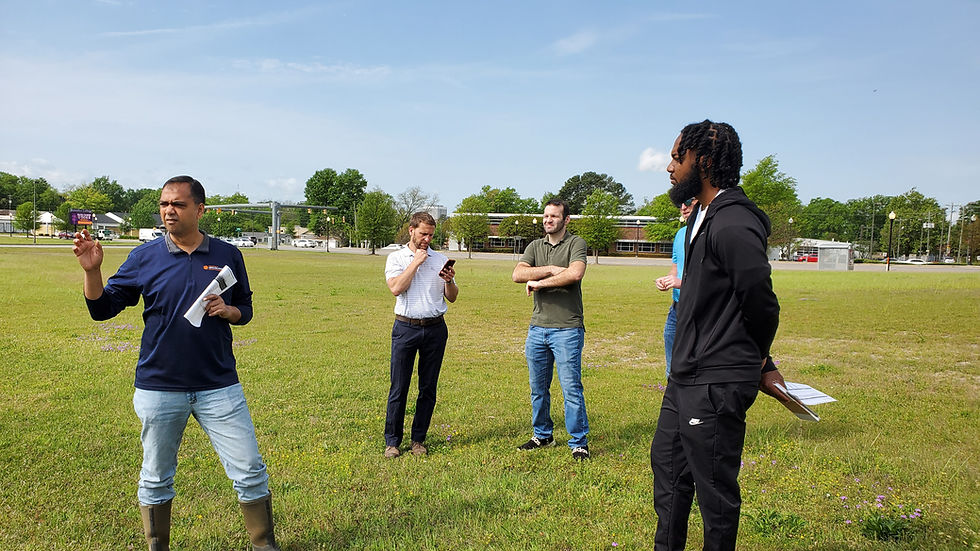
Dr. Sahoo serves as a course instructor, supporting online course delivery and field days. In this role, he contributes to both the theoretical and practical components of the training, helping participants understand the design, implementation, and maintenance of stormwater practices. Through these efforts, he facilitates knowledge transfer to practitioners and stakeholders involved in urban water management.
Further information is available at:

Certified Stormwater Plan Reviewer
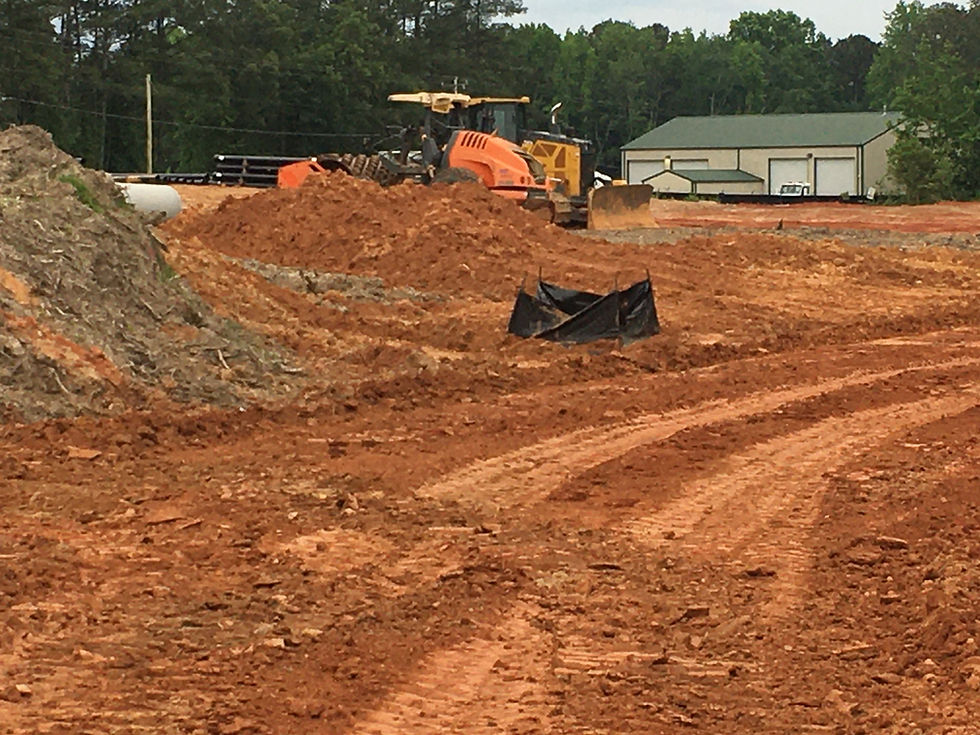


Like stormwater BMP maintenance, proper design is critical to the success and functionality of these systems. Well-designed BMPs more effectively manage stormwater runoff, improve water quality, and reduce the risk of long-term failure. Certification programs help ensure that design professionals are adequately trained to carry out these tasks in accordance with established standards and guidelines. Such training promotes consistency, reliability, and the adoption of best practices across projects.
Dr. Sahoo serves as one of the instructors for this course, contributing to both the theoretical and applied aspects of the training. In this role, he helps equip professionals with the knowledge and skills needed to design, evaluate, and implement effective stormwater BMPs.Further information is available at https://www.clemson.edu/extension/cspr/
Stream Improvement
Streams reflect overall watershed conditions and respond to a wide range of anthropogenic pressures. Lower-order streams, in particular, often experience severe incision, bank instability, floodplain disconnection, and impaired nutrient dynamics. These impacts can degrade habitat quality and reduce the ecological function of stream systems.
To address these challenges, a variety of stream restoration and improvement practices are implemented to enhance stream stability, reconnect floodplains, and improve water quality and ecosystem health. The outcomes of these efforts are communicated through training programs and Extension workshops, helping practitioners and stakeholders better understand effective approaches to stream management and restoration.
Further information is available at https://www.clemson.edu/extension/water/resources/stream-improvement.html


Cyanobacterial Harmful Algal Blooms


Harmful algal blooms (HABs), particularly toxin-producing blooms (e.g., CyanoHABs), in lentic systems such as ponds and lakes pose significant risks to human health, livestock, wildlife, and overall ecosystem integrity. These events can also diminish recreational value and negatively impact local economies. The severity of CyanoHABs is expected to increase with rising temperatures, further heightening the vulnerability of water resources. Education and research-based information on CyanoHABs help farmers, landowners, homeowners, and recreational users better understand their causes, risks, and mitigation strategies. Such outreach supports informed decision-making to reduce health risks and limit the downstream transport of HAB-associated toxins.
Results from HAB research conducted by the SA-SE lab are communicated to diverse stakeholders through workshops and field days, promoting awareness and the adoption of effective management practices.
More information is available at:
Watershed Instrumentation and Monitoring
Sensors, digital tools, and modern technologies have enabled users to obtain real-time information on stream and watershed conditions and to assess both short- and long-term impacts of human-induced changes on these systems. These technologies enable continuous monitoring of key hydrologic and water-quality parameters, improving understanding of how streams and watersheds respond to land-use change, changing climate, and other disturbances. As a result, they have significantly enhanced their ability to monitor, analyze, and manage stream and watershed processes more effectively and proactively.
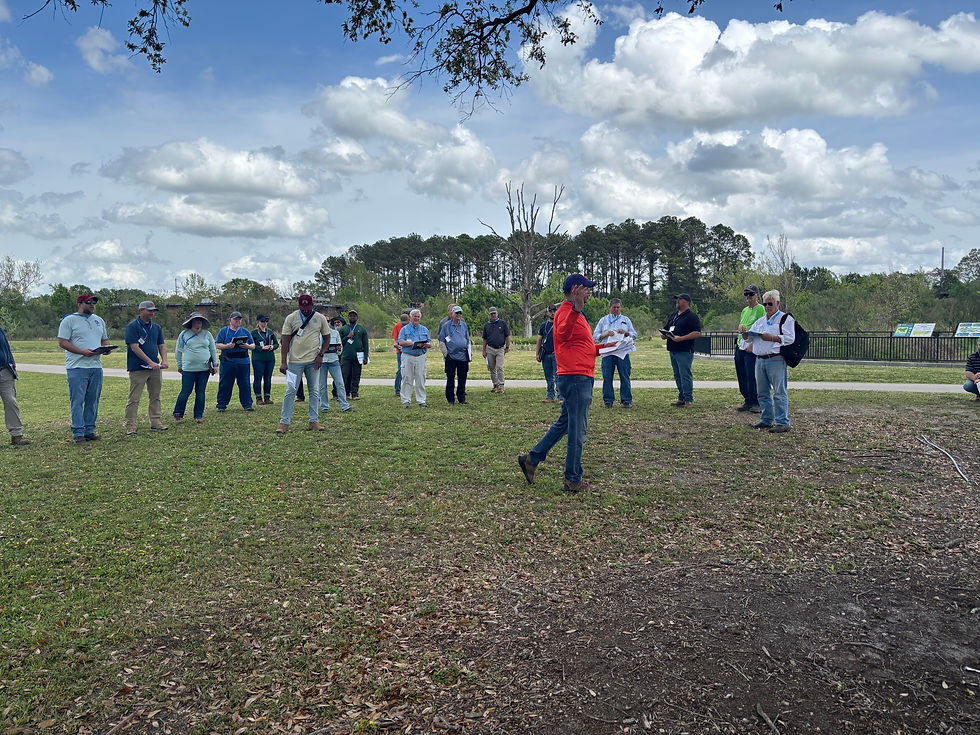
The SA-SE team conducts Extension workshops on stream and watershed monitoring, develops tools and techniques for data analysis and data modeling, and informs stakeholders interested in stream and watershed assessment through field days and training programs. These activities help bridge the gap between research and application by promoting the use of modern monitoring approaches in real-world watershed management.


